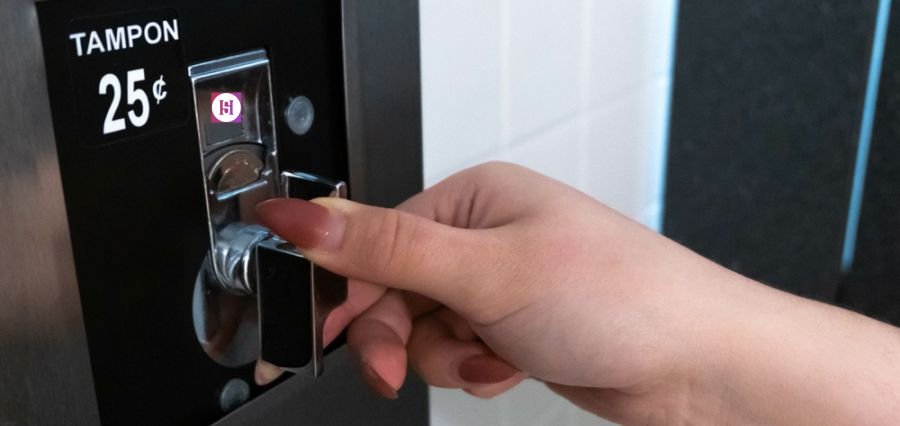
Peuriste, a company from Singapore that makes organic sanitary pads, has launched a "Smart Pad Dispenser" a device that is IoT-enabled and is aimed at making menstrual and women hygiene products easily accessible in public places like workplaces, schools, and institutions.
The dispenser, which is in its MVP stage, will be pilot-tested in the first quarter of 2026. It has dual-configurable slots that can be set to dispense either menstrual pads or incontinence pads, thus, by discontinuing periods, the dispenser is extended to take care of women's hygiene needs in general.
Peuriste's method of integrating technology and a social cause is where the company's technology stands out most. The machine comes with features such as real-time stock monitoring, the possibility of remote-call maintenance, usage analytics help institutions in supply planning, and further optional-sponsored content/ wellness information digital display.
Such initiatives as the introduction of these dispensers into the market can serve multiple purposes for firms, corporates, schools, and government institutions, inter alia, by supporting women's health and well-being, providing DEI (Diversity, Equity, Inclusion) and ESG (Environmental, Social, Governance) commitment fulfillment opportunities, and as well creating measurable positive social impacts through better access to hygiene essentials.
By integrating eco-friendly menstrual products (that are plastic-free and probably made of materials that are environmentally friendly) combined with a smart distribution method, is a way of setting a different or new standard for women's hygiene accessibility in this world, said Peuriste. If dispensers are in locations where common facilities are used, privacy, convenience, and dignity will be of great importance, thus the dispenser may turn out to be invaluable there.
The announcement is indicative of a rising worldwide acknowledgment of the need for menstruation infrastructure and women hygiene that is not merely a product but a system that preserves dignity and accessibility. Should the 2026 trial be successful, it might have far-reaching effects on how institutions rethink access to hygiene on a large scale.