
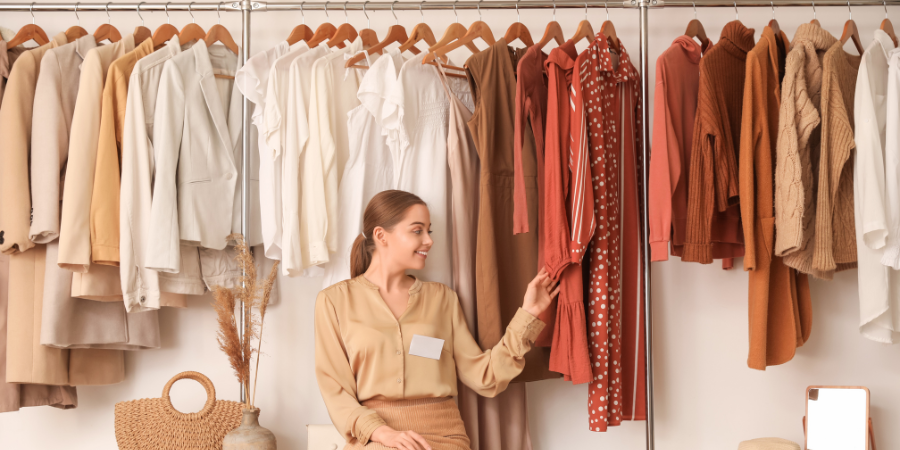
Fashion is more than clothing. It is a form of self-expression, confidence, culture, and creativity. Every year, women’s fashion continues to evolve through innovative designs, changing consumer preferences, sustainability initiatives, and cultural influences. While trends come and go, certain clothing brands consistently shape the direction of the fashion industry and influence how women dress around the world.
From luxury fashion houses to accessible high-street labels, the best women clothing brands create styles that inspire millions. They set trends seen on runways, social media platforms, fashion magazines, and city streets. These brands not only introduce new designs but also redefine beauty standards, promote inclusivity, and influence global fashion conversations.
In this article, we explore the top 10 women clothing brands setting fashion trends in 2026 and examine how they continue to shape the future of fashion.
Overview of the Top Women’s Fashion Brands
| Brand | Country of Origin | Known For | Fashion Category |
|---|---|---|---|
| Chanel | France | Timeless luxury and elegance | Luxury Fashion |
| Gucci | Italy | Bold and creative designs | Luxury Fashion |
| Zara | Spain | Fast fashion and trend adaptation | High Street Fashion |
| Dior | France | Couture-inspired femininity | Luxury Fashion |
| H&M | Sweden | Affordable fashion trends | Fast Fashion |
| Uniqlo | Japan | Minimalist essentials | Casual Fashion |
| Ganni | Denmark | Contemporary Scandinavian style | Premium Fashion |
| Skims | United States | Comfort-focused essentials | Lifestyle Fashion |
| Love, Bonito | Singapore | Modern tailored womenswear | Contemporary Fashion |
| Fabindia | India | Sustainable ethnic-inspired fashion | Traditional & Contemporary |
1. Chanel
Few brands have influenced women’s fashion as significantly as Chanel. Founded by Gabrielle “Coco” Chanel, the brand revolutionized women’s wardrobes by introducing elegant yet practical clothing.
Today, Chanel remains a symbol of sophistication and timeless style. Its collections blend heritage craftsmanship with modern fashion sensibilities, making the brand relevant across generations.
Why Chanel Continues to Influence Fashion
- Timeless and elegant silhouettes
- Strong luxury brand identity
- Iconic tweed jackets and tailored designs
- Consistent presence at major fashion events
- Influence on luxury fashion worldwide
Chanel’s ability to reinvent classic fashion while preserving its heritage keeps it among the most influential women’s fashion brands globally.
2. Gucci
Gucci has become synonymous with bold self-expression and creativity. The brand is known for its eclectic designs, vibrant colors, and distinctive patterns that challenge traditional fashion norms.
Over the years, Gucci has successfully blended luxury fashion with streetwear influences, attracting younger consumers while maintaining its premium image.
Key Fashion Contributions
- Maximalist fashion trends
- Statement accessories
- Celebrity collaborations
- Gender-fluid design elements
- Innovative runway presentations
Gucci’s influence extends beyond fashion, impacting music, pop culture, and digital media.
3. Zara
Zara has transformed the fashion industry through its ability to quickly respond to emerging trends. Unlike traditional fashion brands that release seasonal collections, Zara continuously introduces new designs throughout the year.
Its business model allows consumers to access runway-inspired styles at affordable prices.
Why Zara Remains Popular
- Rapid trend adaptation
- Affordable fashion
- Diverse product range
- Frequent new arrivals
- Global accessibility
Zara plays a major role in making fashion trends accessible to everyday consumers around the world.
4. Dior
Dior represents luxury, femininity, and innovation. Known for its exceptional craftsmanship and sophisticated designs, the brand has influenced women’s fashion since the mid-20th century.
Dior collections often balance classic elegance with contemporary trends, appealing to both traditional and modern fashion enthusiasts.
Signature Characteristics
- Couture-inspired clothing
- Elegant tailoring
- Luxury craftsmanship
- Iconic handbags and accessories
- Strong celebrity influence
Dior continues to set standards for luxury fashion and remains a major force in trend forecasting.
5. H&M
H&M has established itself as one of the world’s leading fashion retailers by offering stylish clothing at affordable prices. The brand successfully bridges the gap between high fashion and everyday wear.
Its collaborations with renowned designers have brought exclusive fashion experiences to a broader audience.
What Makes H&M Influential
- Affordable trend-focused collections
- Sustainable fashion initiatives
- Designer collaborations
- Wide global presence
- Inclusive fashion offerings
H&M demonstrates how accessible fashion can still influence global style trends.
6. Uniqlo
Uniqlo has built its reputation on simplicity, quality, and functionality. Instead of focusing solely on seasonal trends, the brand emphasizes wardrobe essentials designed for comfort and versatility.
Its innovative fabric technologies have also helped distinguish the brand in the competitive fashion market.
Popular Features
- Minimalist design philosophy
- High-quality basics
- Functional clothing technology
- Comfortable everyday wear
- Versatile styling options
Uniqlo proves that fashion trends do not always need to be flashy to have a significant impact.
7. Ganni
Ganni has become one of the most talked-about contemporary fashion brands in recent years. The Danish label combines playful aesthetics with modern Scandinavian design principles.
Its popularity among influencers and fashion enthusiasts has helped elevate the brand to global recognition.
Reasons Behind Ganni’s Success
- Contemporary and youthful designs
- Inclusive sizing options
- Strong social media presence
- Sustainable fashion efforts
- Distinctive prints and patterns
Ganni represents the growing demand for fashion that feels authentic, expressive, and accessible.
8. Skims
Originally recognized for shapewear, Skims has evolved into a comprehensive lifestyle fashion brand. Its focus on comfort, body positivity, and inclusivity has resonated with modern consumers.
The brand’s products cater to diverse body types and everyday lifestyles.
Key Strengths
- Inclusive sizing
- Comfortable essentials
- Modern loungewear
- Body-positive messaging
- Strong digital marketing presence
Skims highlights how consumer priorities are shifting toward comfort and functionality without sacrificing style.
9. Love, Bonito
Love, Bonito has grown from a regional fashion label into a globally recognized womenswear brand. The company focuses on creating clothing designed specifically for modern women and their everyday needs.
Its attention to fit and practicality has earned a loyal customer base.
What Sets It Apart
- Tailored womenswear
- Versatile designs
- Professional and casual fashion
- Quality-focused production
- Modern styling approach
Love, Bonito reflects the increasing demand for clothing that balances fashion with real-life functionality.
10. Fabindia
Fabindia stands out by combining traditional craftsmanship with contemporary fashion. The brand promotes sustainable practices while supporting artisan communities across India.
Its collections celebrate cultural heritage while appealing to modern consumers.
Key Highlights
- Sustainable fashion approach
- Traditional textile craftsmanship
- Ethnic-inspired designs
- Natural fabrics
- Contemporary styling
Fabindia demonstrates how heritage fashion can remain relevant in a rapidly changing industry.
Fashion Trends These Brands Are Driving
The most influential women’s clothing brands are not simply responding to trends; they are creating them.
Major Fashion Trends in 2026
1. Sustainable Fashion
Consumers increasingly prefer environmentally responsible clothing.
Key developments include:
- Ethical sourcing
- Eco-friendly materials
- Circular fashion initiatives
- Reduced waste production
2. Inclusive Fashion
Brands are expanding their offerings to serve a broader range of body types and personal styles.
Examples include:
- Extended size ranges
- Adaptive clothing
- Gender-neutral collections
- Diverse representation
3. Comfort-Driven Style
Comfort continues to influence purchasing decisions.
Popular categories include:
- Loungewear
- Relaxed tailoring
- Soft fabrics
- Functional clothing
4. Minimalist Fashion
Clean lines and versatile pieces remain highly popular.
Characteristics include:
- Neutral colors
- Timeless silhouettes
- Capsule wardrobes
- Quality-over-quantity mindset
5. Digital Fashion Influence
Social media platforms continue shaping fashion trends.
Brands increasingly rely on:
- Influencer partnerships
- Digital campaigns
- Online communities
- User-generated content
How to Choose the Right Women’s Clothing Brand
Selecting a fashion brand depends on personal preferences, budget, and lifestyle needs.
Consider the following factors:
| Factor | Why It Matters |
| Style Preference | Ensures compatibility with personal fashion choices |
| Budget | Determines affordability |
| Quality | Influences durability and value |
| Sustainability | Supports responsible consumption |
| Fit and Comfort | Enhances confidence and wearability |
| Versatility | Allows multiple outfit combinations |
Understanding these factors helps consumers make informed fashion decisions.
Why Fashion Brands Matter Beyond Clothing
Fashion brands play a significant role in shaping cultural identity and consumer behavior.
Their influence extends to:
- Beauty standards
- Social movements
- Sustainability awareness
- Workplace fashion
- Celebrity culture
- Digital trends
As fashion evolves, brands increasingly serve as platforms for creativity, inclusivity, and social impact.
Conclusion
The best women’s clothing brands do more than create attractive garments. They influence how fashion evolves, how trends emerge, and how consumers express themselves through personal style.
Luxury leaders such as Chanel, Gucci, and Dior continue setting global standards for elegance and innovation. High-street giants like Zara and H&M make emerging trends accessible to millions. Contemporary labels including Ganni, Skims, and Love, Bonito reflect modern consumer values such as comfort, inclusivity, and authenticity. Meanwhile, brands like Fabindia showcase how cultural heritage and sustainability can coexist with contemporary fashion.
Together, these brands represent the diverse landscape of women’s fashion in 2026. Whether focused on luxury, affordability, comfort, or craftsmanship, each contributes to shaping the future of style and influencing the way women dress around the world.
Frequently Asked Questions (FAQs)
1. Which is the most popular women’s clothing brand in the world?
Popularity varies by region and market segment, but brands such as Chanel, Gucci, Zara, and H&M consistently rank among the most recognized women’s fashion brands globally.
2. What makes a clothing brand influential?
An influential clothing brand shapes fashion trends, introduces innovative designs, influences consumer behavior, and maintains cultural relevance over time.
3. Are luxury brands better than fast-fashion brands?
Luxury brands often emphasize craftsmanship and exclusivity, while fast-fashion brands focus on affordability and trend accessibility. Both serve different consumer needs.
4. Which women’s clothing brands focus on sustainability?
Brands such as Fabindia, Ganni, H&M, and Uniqlo have introduced various sustainability initiatives, including responsible sourcing and eco-friendly materials.
5. Why is Zara considered a trendsetter?
Zara rapidly adapts runway trends into consumer-ready collections, allowing shoppers to access the latest fashion styles quickly and affordably.
6. What are the biggest fashion trends in 2026?
Key trends include sustainable fashion, inclusive sizing, minimalist wardrobes, comfort-focused clothing, and digital fashion influence.
7. Which brand is best for everyday wear?
Uniqlo, Zara, H&M, Love, Bonito, and Fabindia offer versatile everyday clothing suitable for various lifestyles and budgets.
8. How do fashion brands influence consumer behavior?
Fashion brands shape purchasing decisions through marketing, celebrity endorsements, trend forecasting, social media presence, and innovative product offerings.
9. Are sustainable fashion brands becoming more popular?
Yes. Growing awareness about environmental issues has increased consumer demand for sustainable and ethically produced fashion.
10. What should consumers consider when choosing a clothing brand?
Important factors include quality, style preference, comfort, affordability, sustainability, fit, and overall value for money.
Read More – 20 Women in Leadership Quotes That Inspire Success, Confidence, and Change