
Over the past few decades, the role of women in society has undergone a remarkable transformation. From being largely confined to domestic responsibilities, women today are leaders, innovators, entrepreneurs, educators, policymakers, and change-makers across every sector. This shift is not only reshaping families and workplaces but also redefining social, economic, and cultural norms worldwide. The changing role of women reflects progress toward equality, empowerment, and inclusive development, while also highlighting the challenges that still remain.
Historical Perspective: From Tradition to Transition
Historically, women were often expected to prioritize family and household duties over education and careers. In many societies, their voices were excluded from decision-making processes, political participation, and economic opportunities. Cultural norms and legal barriers limited women’s access to education, property rights, and employment.
However, the late 19th and 20th centuries marked the beginning of change. Women’s movements, social reformers, and global awareness campaigns challenged gender inequality and demanded equal rights. The fight for women’s suffrage, access to education, and workplace rights laid the foundation for the progress we see today. These efforts sparked a global transition that continues to evolve in modern society.
Education: The Cornerstone of Empowerment
One of the most significant drivers of change in women’s roles has been education. Today, more girls and women are pursuing formal education than ever before. From primary schooling to higher education and professional degrees, women are excelling in academics and research.
Education empowers women with knowledge, confidence, and independence. It opens doors to better career opportunities, informed decision-making, and financial stability. Educated women are also more likely to advocate for their rights, contribute to their communities, and raise educated families, creating a positive cycle of social development.
Despite progress, challenges such as early marriage, poverty, and limited access to education in some regions still hinder girls’ learning. Addressing these issues remains critical for achieving true gender equality.
Women in the Workforce: Breaking Barriers
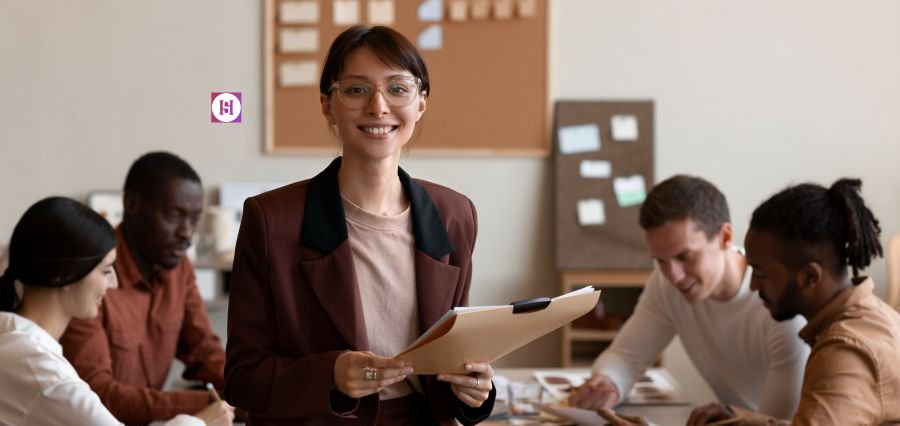
The modern workforce has witnessed a dramatic increase in women’s participation. Women are no longer limited to traditional roles such as teaching or nursing; they are now engineers, scientists, CEOs, pilots, and entrepreneurs. The rise of digital platforms, remote work, and flexible job models has further enabled women to balance professional and personal responsibilities.
Women’s economic participation strengthens families and national economies. According to global studies, increasing women’s workforce participation leads to higher productivity, improved innovation, and sustainable growth. Businesses with diverse leadership teams often perform better and foster more inclusive work cultures.
However, gender pay gaps, workplace discrimination, and limited access to leadership roles remain ongoing concerns. Addressing these issues requires policy reforms, organizational commitment, and societal support.
Leadership and Politics: Women as Decision-Makers
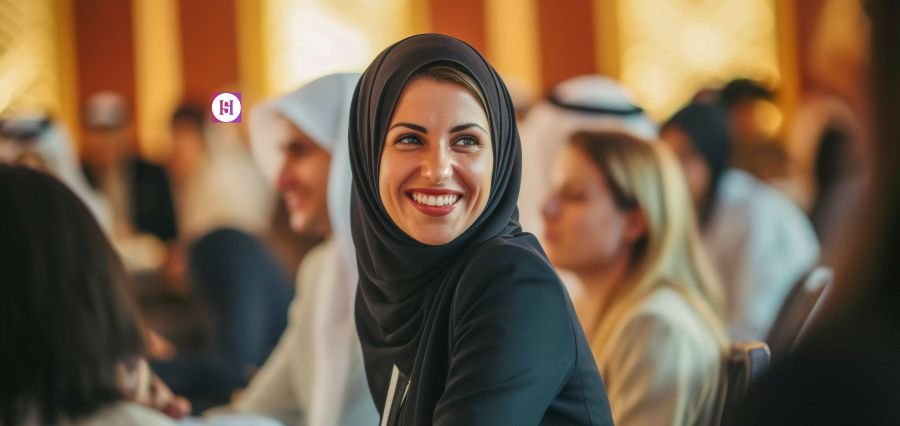
Women’s presence in leadership and politics has increased significantly in recent years. From heads of state and ministers to corporate leaders and community organizers, women are shaping policies and influencing global agendas.
Female leaders often bring collaborative, empathetic, and inclusive approaches to decision-making. Studies suggest that women in leadership roles tend to prioritize education, healthcare, social welfare, and environmental sustainability. Their perspectives contribute to more balanced and people-centric governance.
While progress is evident, women remain underrepresented in many political and executive positions. Encouraging female leadership through mentorship, representation, and equal opportunities is essential for inclusive governance.
Changing Family Dynamics and Social Roles
The changing role of women has also transformed family structures and social dynamics. Women today actively participate in household decision-making, financial planning, and parenting responsibilities. At the same time, many men are increasingly sharing domestic duties, reflecting a more balanced approach to family life.
Modern women are redefining motherhood and marriage on their own terms. Many choose to delay marriage, prioritize careers, or balance both family and professional goals. Society is gradually recognizing that a woman’s identity extends beyond traditional roles.
This shift promotes healthier relationships, mutual respect, and shared responsibilities within families.
Technology and Digital Empowerment
Technology has played a crucial role in accelerating women’s empowerment. Access to smartphones, the internet, and digital tools has enabled women to learn new skills, start online businesses, and work remotely. Social media platforms have given women a voice to share their stories, raise awareness, and advocate for social change.
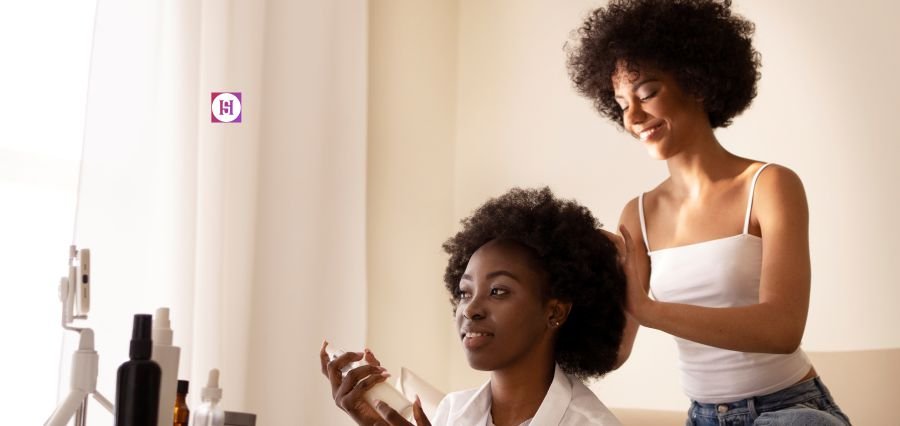
Digital entrepreneurship has become a powerful avenue for women, especially in developing regions. Online marketplaces, freelancing platforms, and digital marketing opportunities allow women to achieve financial independence without geographical limitations.
However, the digital gender divide still exists. Ensuring equal access to technology and digital literacy is vital for inclusive progress.
Challenges Women Still Face
Despite significant advancements, women continue to face numerous challenges. Gender-based violence, unequal pay, limited career growth, and societal pressure remain prevalent in many parts of the world. Cultural stereotypes and unrealistic expectations often place additional burdens on women to excel in every aspect of life.
Mental health concerns, work-life balance struggles, and lack of institutional support further complicate women’s journeys. Addressing these challenges requires collective action from governments, organizations, communities, and individuals.
The Road Ahead: Toward Equality and Inclusion
The changing role of women in today’s society is a testament to resilience, courage, and progress. However, true equality cannot be achieved without sustained efforts. Promoting gender-sensitive policies, equal education, workplace inclusivity, and social awareness is essential for long-term change.
Men and women must work together as allies to challenge stereotypes, support equal opportunities, and create safe, respectful environments. Empowering women is not just a women’s issue—it is a societal and economic imperative.
Conclusion
Women today are redefining success, leadership, and identity in powerful ways. Their evolving roles are shaping stronger families, more dynamic workplaces, and more inclusive societies. While significant progress has been made, the journey toward full equality continues.
By investing in education, promoting equal opportunities, embracing diversity, and challenging outdated norms, society can ensure that women continue to thrive and lead in every sphere of life. The changing role of women is not just a story of transformation—it is a story of progress, hope, and a better future for all.